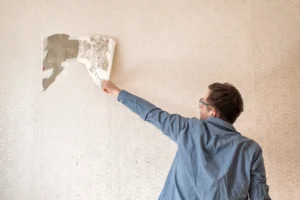
Most homes get a deep clean whenever life allows it, not when it truly helps the most. That’s a shame, because timing changes everything. Housing Solutions For You has seen the same pattern over and over in homes across every season. A deep clean of a house reaches spots a normal wipe never touches. Pick the right month, and that work lasts much longer. Weather and daylight both play a part. So does your own daily routine. This guide walks through the best time for a deep house cleaning, room by room, with no fluff attached.
Why Timing Matters for a Deep Clean House Project
Winter air stays damp inside a shut-up house. Dust settles into corners that never see fresh air. By the time spring rolls in, it shows. Summer brings a different problem. Scrub a floor on a hot day, and you’ll feel it fast. Everything wet takes longer to dry, too. A deep clean a house job goes far better once the air turns mild.
Open windows help more than people think. Fresh air cuts drying time down a lot. Sunlight also shows dust that lamp light hides at night. Cool, dry air keeps cleaning sprays working the way they should. Clean in the wrong month once, and you won’t make that mistake twice.
Where you live also shapes the best month. Coastal homes deal with salty, sticky air most of the year. Their ideal window often lands later in spring than most guides suggest. Inland homes with dry winters can usually start sooner. There’s simply less damp air trapped indoors to deal with first.
Spring Still Comes Out on Top
Spring earns its good name, and not just from habit. Days stretch out longer, giving more daylight for the work. Mild air also takes the edge off tiring jobs. The same jobs would wear anyone out in July heat. Windows can stay open all afternoon with no chill in sight. That clears cleaning fumes out fast and keeps rooms smelling fresh.
March through May suits most mild climates well. Pollen counts stay low early in the season. Heaters also get a break after months of steady use. A full spring cleaning pass usually reaches these spots:
- Sofas, curtains, and rugs
- Ovens and kitchen extractor vents
- Bathroom tiles and grout lines
- Window tracks and glass panes
- Garages or storage rooms packed since autumn
Wait too long into May, though, and pollen becomes a real issue. Open windows can pull allergens straight into a home you just cleaned. Homes with allergy sufferers usually do better with an earlier spring clean.
Best Month to Deep Clean a House by Season
Every household runs on its own clock. Climate, home size, and daily life all shift the best answer. Here’s how each season stacks up.
| Season | Best Months | Key Benefit | Main Challenge |
| Spring | March–May | Long days, mild air | Pollen rises late in the season |
| Autumn | September–October | Dry air, fast drying | Fewer daylight hours |
| Early Winter | Late November | Fresh start before holidays | Outdoor jobs get limited |
| Summer | June–July | Great for outdoor surfaces | Heat slows indoor work |
Autumn gets skipped far too often, and that’s a real shame. Cool, dry air dries carpets and sofas fast. There’s none of the sticky damp that summer leaves behind. Getting ahead of cold weather also stops mould before it settles in. Kitchens and bathrooms both do well with a fall clean before the windows shut for winter.
Health Reasons to Take Deep Cleaning Seriously
A deep clean isn’t just about how a home looks on the surface. Dust, allergens, and hidden mould can build up inside carpets and air vents over time. This buildup has been linked to worse allergies and general breathing discomfort. A proper deep clean a house routine clears these things out at the root, not just off the top. Homes with young kids, older residents, or anyone with breathing troubles benefit the most. Think of it less as tidying and more as a step toward better air indoors.
Signs Your Home Can’t Wait for a Set Month
Sometimes the calendar just doesn’t matter at all. A musty smell hanging around the bathroom is one clear sign. Mould creeping along a window frame is another. Dust that returns just days after cleaning counts too. So does an allergy flare-up that seems worse than usual indoors. Any of these mean it’s time to act now, not later. Moving into a new place, or clearing out an old one, also calls for quick attention rather than a spot on next year’s plan.
Planning the Work Without Losing Your Weekend
A big clean feels far less scary once it’s broken into steps. Trying to power through it all in one go rarely works out well.
Start by walking through the house and listing every room. Do this before you touch a single cloth. Busy spaces like the kitchen eat up more time than a spare room. Rank each room by how much use it gets. This makes the whole schedule fit your real life better.
Big homes rarely wrap up in a single day, no matter how motivated you feel at breakfast. Spread the job across a full week instead. Try tackling one or two rooms each day. This beats a rushed weekend blitz almost every time. Tired hands cut corners, and those corners tend to show later.
Setting a simple reminder helps more than people expect. Pick one date each spring and one each autumn. Set an alert two weeks ahead of both. This gives enough time to plan, gather supplies, and clear your schedule. A little planning turns a big job into something far less daunting.
Have your supplies ready before you start, too. Running out of spray mid-task kills all your momentum. A basic kit covers most jobs just fine. Grab some microfibre cloths, a decent vacuum, and a grout brush. Add an all-purpose cleaner that handles more than one surface.
The Usual Trip-Ups
The fumes may not escape through closed windows, and drying times are extended significantly. One of the reasons for the long winters is that it is on a constant deodorizing basis. Large appliances and under furniture that doesn’t move collect dust. Those areas should get some more attention than they normally do. Chemical sprays may seem to work harder, but can also cause damage to surfaces as quickly as strong chemical sprays. But haste with the entire project is also counter-productive: the quality suffers as the pressure of time increases. After the big clean, neglecting maintenance will result in a house looking tattered again in the course of a few weeks.
Here, a little bit of effort each week goes a long way. Wipe the counters. Vacuum frequently used areas. This extends the time it takes for a “deep clean. It’s the little things that are done a lot, over time, that are more powerful than one big push every year.
Going Room by Room
Grease builds up fast in kitchens, faster than almost anywhere else in a home. Ovens, vents, and the gap behind the fridge get skipped a lot. Yet they hold onto the most grime by far. A proper pass reaches cabinet shelves and appliance seals. Don’t skip the space under the sink, either.
Bathrooms stay damp most of the time. This makes them a magnet for mould and hard water stains. Grout lines and shower tracks need real scrubbing, since a quick wipe barely touches old buildup. Descaling a showerhead also brings back water pressure most people didn’t know they’d lost.
Mattresses and pillows trap dust over months, even in a room that looks spotless from the door. Vacuum a mattress now and then to help it last longer. It can even improve your sleep, oddly enough. A closet clear-out helps too, since forgotten items gather dust nobody notices.
Living rooms collect dust on sofas, rugs, and light fixtures all year round. This happens whether anyone’s home or not. Steam cleaning fabric lifts dirt a vacuum alone can’t reach. Small spots like skirting boards make a real difference once cleaned, even though most people forget they exist.
Doing It Yourself or Calling in Help
There are a number of factors that will determine whether you decide to hire a team or go on your own. There are time limits, budgetary constraints, size of the work involved, etc. in this. A do-it-yourself fit suits up to a flexible schedule best. It also requires you to be able to break the job into a couple of days. It is inexpensive upfront, but only has the potential to be successful if there is hard work involved and planning. A cleaning team comes with the appropriate equipment and trained hands. They can complete a full house much quicker than any individual.
When you have a heavy workload or unreasonable stains, larger houses may necessitate professional services. There are many homes in the middle. They do their own routine bits, but call in a team once a year to do their harder bits.
No Single Right Answer for Every Home
No one month suits every household equally well. Spring and early autumn still come out ahead on comfort and results most often. Weather, allergies, and daily routine all shift the final choice. Try both seasons over a year or two if you’re unsure. See which one actually fits your home and your life best.
Conclusion
Finding the best month to deep clean a house comes down to a few simple things. Weather, daylight, and your household’s daily rhythm all matter, not just old habits passed down from someone’s mother. Spring brings long days and mild air that make hard jobs easier. Autumn brings dry conditions that suit certain tasks even better. Housing Solutions For You always suggests checking your local weather before locking in a date, since no two homes face quite the same conditions. A clear plan, the right tools, and a fair timeline turn a dreaded chore into something manageable. Whatever month you choose, small habits between big cleans matter just as much, keeping every room fresh and genuinely pleasant to live in.