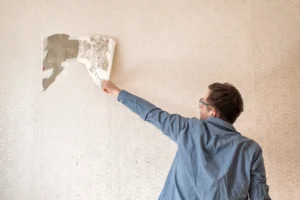
Many homeowners and tenants struggle with the question of condensation vs damp. Both leave wet patches, musty smells and mould, so they look alike at first glance. But they have different causes and need different fixes. Treat condensation as damp, or the other way round, and the problem returns. This guide shows how to tell the difference, what causes each one and what to do next.
Condensation vs Damp: The Quick Answer
Condensation forms when warm, moist air touches a cold surface and turns into water droplets. It is caused by humidity and poor ventilation inside the home. Damp is moisture that enters the building from outside or from a fault, such as a leak, a failed roof, a blocked gutter or moisture rising from the ground. Condensation is fixed by better ventilation, heating and moisture control. Damp is fixed by repairing the building defect that lets water in.
What Is Condensation?
Condensation is the most common cause of mould in UK homes. Everyday life produces moisture. Cooking, showering, drying washing indoors and even breathing all add water to the air. When that warm, moist air meets cold windows, walls or corners, it turns into droplets. If the moisture stays, mould begins to grow.
Common signs of condensation include:
- Water droplets on windows and window frames, especially in the morning
- Damp patches on cold external walls, ceilings and corners
- Black mould spots in corners, on window reveals and behind furniture
- Mould on silicone seals around baths and showers
- Mould on or behind wardrobes pushed against external walls
- Problems that are worse in winter and improve in warm, dry weather
- Surfaces that feel cold, with moisture that wipes away easily
Condensation is a sign of high humidity and poor air movement, rather than a fault in the structure.
What Is Damp?
Damp means unwanted moisture in the building fabric. Unlike condensation, it comes from a source that needs repair. There are three main types.
Rising Damp
Rising damp happens when ground moisture travels up through walls. It affects ground floor walls and often leaves a tide mark, with peeling paint, crumbling plaster and white salt deposits low down on the wall. It usually appears when a damp-proof course has failed or been bridged. Rising damp is less common than many people think, so get a proper diagnosis before paying for treatment.
Penetrating Damp
Penetrating damp occurs when water enters through the roof, walls or openings. Typical causes include blocked or leaking gutters, missing roof tiles, cracked render, failed pointing, faulty flashing and damaged window seals. It often appears as dark patches that grow after rain, and it can occur on any floor.
Leaks and Plumbing Faults
Leaking pipes, radiators, waste pipes and appliances can soak walls, ceilings and floors. This kind of damp often forms a local patch that stays wet and does not dry out. Hidden leaks can cause serious damage before anyone notices.
Signs of true damp can include:
- Damp patches that stay wet, regardless of the weather or heating
- Tide marks, stains or rings on walls and ceilings
- Peeling paint, bubbling plaster or lifting wallpaper
- A persistent musty smell
- Crumbling plaster and white salt deposits
- Patches that grow after rain
- Rotting skirting boards or damp floors
How to Tell If You Have Damp
Knowing how to tell if you have damp starts with careful observation. Look at where the problem appears, when it appears and how it feels.
Check the location. Condensation appears on cold surfaces, such as windows, external walls, corners and behind furniture. Rising damp stays low on ground floor walls. Penetrating damp shows near leaks, roof edges, chimneys and windows. Plumbing leaks sit near pipes and appliances.
Check the timing. Condensation is worst on cold mornings and in winter, and it often clears when you ventilate or heat the room. Penetrating damp worsens after rain. A leak keeps going regardless of weather.
Try a simple foil test. Tape a square of kitchen foil tightly to the affected wall and leave it for a day. If moisture forms on the outer face of the foil, the cause is condensation in the room. If the wall behind the foil is wet, or moisture forms under it, the water is coming through the wall, which points to damp. This is only a rough guide. A professional uses a moisture meter and inspects the building to confirm the cause.
Keep a record with dates and photos. It helps professionals diagnose the problem faster.
Black Mould on Walls: Causes, Risks and Cleaning
Black mould on walls is a visible sign that moisture is staying in the home. It grows in damp, warm conditions where air does not move. It often appears in corners, around windows, on ceilings above showers and behind furniture. It can come from condensation or from damp, so the underlying cause matters.
Mould can irritate the eyes, nose and throat, and it may worsen asthma and allergies, especially for children, older people and anyone with breathing problems. Take it seriously.
For small areas, wear gloves, a mask and eye protection. Open windows, and wipe the mould with a suitable mould remover. Do not brush it dry, because spores spread. Dry the area fully. Once the cause is fixed and the wall is clean and dry, repaint with an anti-mould paint. If the mould covers a large area, returns quickly or comes with damp patches, call a professional. Cleaning removes the symptom, not the cause.
How to Fix Condensation
Condensation is controlled by managing moisture and temperature. Follow these steps:
- Use extractor fans or open windows when you cook and bathe
- Keep internal doors closed when cooking or showering, so steam does not spread
- Dry washing outside or in a vented room, not on radiators
- Keep the home at a steady, moderate temperature
- Leave a small gap between furniture and cold external walls
- Wipe condensation from windows and sills each morning
- Use a dehumidifier in problem rooms
- Fit or repair extractor fans, trickle vents and good window seals
Better insulation also helps, because it keeps internal surfaces warmer. The Energy Saving Trust offers practical advice on heating, insulation and ventilation. Professional electrical repairs and installations can add or fix extractor fans where needed.
How to Fix Damp Problems
Damp must be treated at the source. Find the cause first, then repair it, then let the building dry before redecorating.
For penetrating damp, clear blocked gutters and downpipes, repair roof tiles and flashing, repoint failing brickwork and seal cracks in render. Our roofing services can inspect the roof and gutters and repair faults. For leaks, a plumber must find and fix the source. Our plumbing and installation team can trace hidden leaks and repair pipes.
For rising damp, a specialist surveyor can check the damp-proof course, the ground level outside and any bridging of the wall. Do not rush into expensive treatment before a proper diagnosis.
After the cause is fixed, allow the wall to dry. Remove damaged plaster if needed, then replaster and decorate. Painting over wet walls traps moisture and fails.
Landlord and Tenant Responsibilities
Damp and mould are a shared concern. Landlords must keep rented homes free from serious hazards and in good repair, which includes fixing leaks, roof faults and defects that cause damp. Tenants should ventilate, heat the home reasonably and report problems promptly. The government’s guidance on damp and mould explains the health risks and how housing providers should respond.
Tenants who need advice can use Shelter for plain English help. Always report problems in writing, with photos and dates, and give the landlord a fair chance to fix them.
Damp Repair Service: When to Call a Professional
Some problems are beyond a simple fix. Call a professional damp repair service if you see damp patches that keep growing, tide marks low on walls, mould that returns after cleaning, a musty smell with no clear cause, signs of leaks, or damage to plaster, skirting and floors. A good professional inspects the building, finds the cause and explains the repair in plain English. Be careful of anyone who recommends costly treatment without a proper survey. A clear written quote should list the cause, the work and the finish.
Why Choose Housing Solutions For You?
Housing Solutions For You is a full property maintenance team for landlords and homeowners. We can look into the cause of damp, then repair the roof, gutters, plumbing, windows or walls. Our painting and decorating team restores walls and ceilings after repairs, and our carpentry and joinery team can fix damaged frames, skirting and doors. Our professional cleaning services leave the property spotless. One team means fewer calls and faster results, with honest advice and clear quotes.
Final Thoughts
The condensation vs damp question comes down to the source of the moisture. Condensation comes from inside and needs better ventilation and heat. Damp comes from a fault in the building and needs a repair. Check the signs, find the cause and do not just paint over the problem. Housing Solutions For You is ready to help you find and fix the cause for your London home or rental. Act early, and keep your home dry, healthy and comfortable.
“Call us today at +44 7984 122 111 and let’s chat, or visit us at London, UK.”