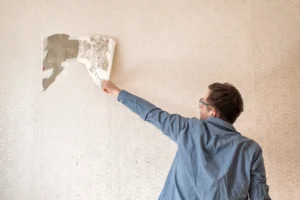
Cleaning a new home before moving in is one of the smartest things you can do on moving day. An empty property is easy to clean, and you will never get an easier chance. Whether the home is a new build, a resale or a rental, the previous occupants or builders will have left dust, grime and germs behind. This guide shows when to clean, what to cover and when it is worth hiring a professional.
Why Clean a New Home Before Moving In?
A home that looks clean is not always hygienic. Previous occupants leave grease in ovens, limescale in bathrooms and dust in cupboards. New builds hide plaster dust, paint splashes and sticky residue from stickers and protective film. Strong smells, pet hair and pests can also linger. Cleaning before you move in gives you a fresh start and protects your family’s health. It is also far easier to reach every corner, cupboard and wall before furniture and boxes arrive.
Cleaning a New Home Before Moving In: The Best Timing
Timing matters. The best moment is after the previous owner or tenant has left, and after any repairs, building work or decorating. It is also before your furniture arrives. Plan the order of jobs carefully:
- Repairs and snagging come first
- Painting and decorating come next
- A deep clean follows once the dust has settled
- Your move happens last
If you clean first and then paint or repair, you will need to clean again. Book help early, because good cleaners often fill their diaries quickly around busy moving periods. Leave enough time for floors and surfaces to dry before the removal van arrives.
Move In Cleaning Checklist
Use this move in cleaning checklist to cover each room. Work from top to bottom, so dust falls onto surfaces you have not cleaned yet.
- Dust ceilings, corners, light fittings, vents and ceiling fans
- Wipe walls, switches, sockets and skirting boards
- Clean windows, sills, frames and tracks, inside and out where you can reach
- Clean the oven, hob, extractor and filters, and degrease the surfaces
- Wipe inside and outside all kitchen cupboards and drawers
- Clean the fridge, freezer, microwave and dishwasher, including seals and filters
- Scrub sinks, taps and plugholes, and descale where needed
- Disinfect toilets, baths, showers, tiles and grout
- Clean mirrors, bathroom cabinets and extractor fans
- Wipe wardrobes, shelves and built-in storage inside and out
- Clean doors, handles and frames
- Vacuum carpets, and mop hard floors including edges and corners
- Empty and wipe bins, and clean outdoor areas such as balconies and patios
Tackle the kitchen and bathrooms first, because they hold the most germs. Wear gloves, ventilate rooms and never mix cleaning chemicals. Keep your cleaning kit handy, so you can wipe surfaces as you unpack.
New Build Cleaning: Why It Is Different
A new build home looks clean, but it is rarely move-in ready. Building work leaves fine dust on every surface, including inside cupboards, vents and window frames. Cement, plaster and paint splashes stick to glass, tiles and floors. Silicone smears, stickers and protective film often remain on windows, appliances and fittings. This is why specialist new build cleaning is a separate service from a normal clean.
Professionals use industrial vacuums with fine filters, scrapers for stubborn residue and the right products for each surface. They also work in stages, from a rough clean to a detailed finish. Check your purchase paperwork and your builder’s handover process. Warranty providers such as NHBC offer information for new home buyers, and the New Homes Quality Board promotes standards for new homes. Always raise defects with the builder before you clean over them, because cleaning can hide evidence.
Check Before You Clean: Snagging and Safety
Before you clean or move in, inspect the home carefully. Snagging means checking for faults that the builder or landlord should fix. Look for:
- Cracks, chips and marks on walls, ceilings, worktops and floors
- Doors and windows that stick, will not lock or do not close properly
- Leaks under sinks, around baths and at taps
- Sockets, switches and lights that do not work
- Radiators and the boiler that do not heat evenly
- Missing grout, sealant or paint finish in bathrooms and kitchens
- Signs of damp, mould or pests
Take dated photos and report problems in writing. Landlords and builders usually fix faults faster when you document them early. Also check that smoke alarms and carbon monoxide alarms work. Fix problems first, then clean, so your hard work lasts.
House Cleaning Before Moving In: DIY or Professional?
Both options can work. Your choice depends on time, budget and the condition of the home. House cleaning before moving in takes longer than most people expect.
DIY saves money and lets you control the standard. It works well for a small, lightly used property. But moving is already stressful and busy. You may lack industrial equipment, strong descalers or the time to clean every cupboard and corner. A tired, rushed clean often misses areas.
A professional team works faster and follows a checklist. They use commercial equipment, handle heavy grease and limescale and tackle after-builders dust. They also free you to focus on packing, utilities and the move. Professional cleaning is especially worthwhile for a new build, a large home, a dirty property or when you are short of time. It also gives peace of mind that the home is hygienic before children or pets arrive.
What Affects the Price of Move In Cleaning?
Prices depend on property size, number of rooms and bathrooms, and the level of dirt. New builds with heavy dust or a dirty resale need more time. Extras such as inside windows, carpet cleaning, oven cleaning and balcony cleaning add to the quote. Access, parking and the timing of your booking also matter. Always ask for a written quote that lists what is included. Compare quotes like for like, because a cheap price may exclude key areas such as the oven or inside cupboards.
How to Choose a Cleaning Company
Trust and quality matter when someone cleans your new home. Ask these questions before you book:
- Are you insured for work in clients’ homes?
- Do you follow a written checklist for move-in or new build cleans?
- Which products and equipment do you use?
- Can you handle builders’ dust, stickers and stubborn residue?
- Is the quote written and itemised?
- Do you offer a check or a re-clean if something is missed?
The British Institute of Cleaning Science promotes professional training and standards, which can help you judge providers. Ask for references, and choose a team that explains its process clearly.
Make the Most of Your Move: Repairs and Fresh Paint
The gap before you move in is the perfect time for improvements. Fresh paint transforms tired rooms, and repairs are far easier without furniture in the way. Our painting and decorating team can refresh walls and woodwork. Our plumbing and installation team can fix leaks and fit new taps, and our carpentry and joinery team can repair doors and frames. Book the clean after these jobs, so you only clean once.
Why Choose Housing Solutions For You?
Housing Solutions For You provides professional cleaning services for homes and properties, with fresh, hygienic results. We are also a full property maintenance team, so you can combine cleaning with repairs, decorating and small renovations before you move in. One team means fewer calls, better timing and honest, clear communication. Landlords, tenants and homeowners across London can rely on our careful workmanship and clear quotes.
Final Thoughts
Cleaning a new home before moving in gives you a fresh, healthy start. Inspect for snagging first, schedule the clean after repairs and decorating, and work through a clear checklist. For new builds, large homes or tight schedules, hiring a professional is well worth it. Housing Solutions For You is ready to help you move into a spotless home in London. Plan ahead, clean once and enjoy your new space from the first day.
“Call us today at +44 7984 122 111 and let’s chat, or visit us at London, UK.”