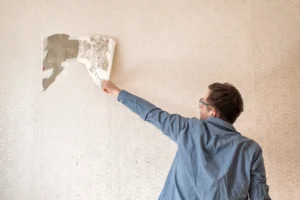
A ceiling leaking is stressful and can become dangerous fast. Water spreads through plasterboard and plaster, soaks insulation and can reach lights and wiring. A small drip today can become a collapsed ceiling tomorrow. The good news is that quick action limits the damage. This guide explains what to do first, how to find the cause, who is responsible and how to repair the damage properly.
Ceiling Leaking: What to Do Right Now
Act calmly and follow these steps. They protect people first, then your property.
- Keep everyone out of the room if the ceiling is bulging, sagging or dripping heavily
- Switch off the electricity at the consumer unit if water is near lights, sockets or wiring, and only if it is safe to reach
- Turn off the water at the stopcock if you think a pipe or tank is leaking
- Place buckets or basins under drips, and cover furniture with plastic sheets
- Move valuables, rugs and electronics out of the area
- Take clear photos and videos of the damage for your insurer
- Contact your landlord, managing agent or insurer straight away
- Call a qualified plumber or roofer to find and stop the source
Never stand under a bulging ceiling. Heavy trapped water can bring the plaster down. If you see sparks or smell burning, leave the building and call the emergency services.
Common Causes of a Leaking Ceiling
Water can come from many places. Knowing the likely cause helps you choose the right professional.
Roof Leaks
Missing or slipped tiles, cracked slates, failed flashing and blocked valleys let rain into the loft and then through the ceiling. Chimneys, skylights and flat roofs are common weak points. Roof leaks often appear after heavy rain or storms, and the stain may sit far from the actual hole in the roof.
Plumbing Leaks from Above
Leaking pipes, a failed shower tray, worn bath seals, a faulty toilet connection or an overflowing basin can soak the ceiling below. A dripping pipe in a floor void may leak for weeks before anyone notices. These leaks often appear under bathrooms and kitchens.
Heating and Appliances
Leaking radiators, valves, boiler pipework, washing machines and dishwashers can cause ceiling leaks. A slow heating leak can look like damp and may only show up when the heating runs.
Condensation and Loft Problems
Blocked gutters, overflowing water tanks and poor loft ventilation can also cause drips and stains. Heavy condensation in a cold loft can drip onto insulation and soak through to the ceiling. Check these when you cannot find an obvious leak.
How to Find the Source of the Leak
Finding the source is the key to a lasting repair. Start with timing. If the leak appears only after rain, think roof, gutters or flashing. If it drips constantly, suspect plumbing or heating. If it appears when someone uses the shower or bath upstairs, check the seals, shower tray and waste pipes.
Check the location. A leak under a bathroom points to the bathroom. A stain below a chimney points to flashing. A damp patch near an external wall can come from gutters, render or window frames. Look in the loft with a torch, if it is safe, for wet insulation, dark timber or drips. Check radiators, valves and pipes for moisture.
You can also test your water meter. Turn off all taps and appliances and check whether the meter still moves. If it does, you may have a hidden leak. A professional can use moisture meters and thermal imaging to trace the leak without damaging the building.
Water Stain on Ceiling: What It Means
A water stain on ceiling surfaces often looks like a yellow or brown patch with a darker ring around the edge. The ring forms as water spreads, dries and returns again and again. A stain alone does not tell you whether the leak is active or old. Touch it carefully. If it is damp, the leak may be ongoing. If it is dry, the leak may have stopped, but the cause still needs to be found, because it may return in the next rain or when the plumbing is used.
Stains can also point to mould, rotting timber and damaged plaster. Never just paint over a stain. Stain-blocking paint hides the mark but not the problem. Fix the cause, dry the area completely and then repair and redecorate.
Leak from Flat Above: Who Is Responsible?
A leak from flat above is common in London, where many homes are flats. Responsibility depends on the cause and who owns what. A leak from a neighbour’s bath, pipe or appliance is usually their responsibility to stop. A leak from the roof, shared pipes or communal parts is usually the freeholder’s or managing agent’s responsibility. Check your lease to see who looks after which parts. Follow these steps:
- Knock on the neighbour’s door and explain politely, because they may not know
- Ask them to check their pipes, appliances and seals, and to turn off the water if needed
- Contact your landlord, managing agent or freeholder in writing, with photos and dates
- Notify your insurer, because both your policy and theirs may respond
- Keep a record of every message, call and repair quote
- Ask for an inspection if the source is unclear
If the problem continues, ask the council’s environmental health team for advice. Advice charities such as Shelter explain tenants’ options in plain English. Do not stop paying rent or service charges without proper advice.
Quick Fixes Before the Professional Arrives
You cannot repair a leaking ceiling properly without finding the cause, but you can limit the damage. Collect water in buckets, and change them often. Lay towels and plastic sheets to protect floors. Open windows and run fans or a dehumidifier to help drying, but only where it is safe. Keep the area ventilated and the electricity off if water is close. Do not use a heater under a wet ceiling. These steps buy time and reduce the cost of repairs. They are temporary, so a tradesperson must still fix the source.
How to Repair a Water Damaged Ceiling
Once the leak is fixed, you can repair the damage. How you repair water damaged ceiling surfaces depends on how bad it is.
For a light stain on sound plaster, let the ceiling dry fully, treat any mould, apply a stain-blocking primer and repaint. For soft, sagging or bubbling plasterboard, cut out the damaged section, check the joists and insulation, fit new board, tape the joints, fill, sand and prime. In older London homes, ceilings may be lath and plaster, which needs a specialist to repair or re-skim. Replace wet insulation too.
Always allow the structure to dry completely before decorating. Painting over a damp ceiling traps moisture and causes mould. Then finish with fresh paint to match the room. If joists are damaged or rot is present, a carpenter should assess the timber. Our carpentry and joinery team can repair damaged timbers and fittings.
Insurance and Records
Most home insurance policies cover escape of water, but terms differ. Contact your insurer as soon as possible, and keep photos, videos and receipts. Do not throw away damaged items before the insurer has seen them. Ask what the policy covers, including the cost of finding the leak and repairing damage. The Association of British Insurers offers general guidance on home insurance claims. Tenants should tell their landlord at once and check their own contents cover.
When to Call a Professional
Some leaks are too complex or dangerous for DIY. Call a professional if:
- The ceiling is bulging, sagging or cracking
- Water is near lights, wiring or the consumer unit
- You cannot find the source of the leak
- The leak returns after you have dried the area
- The roof, chimney or flat roof may be involved
- Mould, rot or a musty smell has appeared
- The ceiling is lath and plaster or has decorative plasterwork
A good professional finds the source, explains the cause and gives a clear written quote. To find an approved plumber, check the WaterSafe register. For roof problems, use a competent roofer with insurance and references.
Why Choose Housing Solutions For You?
Housing Solutions For You is a full property maintenance team for landlords and homeowners. We can trace the cause of a leak, then repair the source and the damage. Our plumbing and installation team fixes pipes and fittings, and our roofing services team repairs roof leaks and maintenance. Our painting and decorating team restores the ceiling, and our professional cleaning services leave the property spotless. One team means fewer calls, faster results and clear quotes for homes and rentals across London.
Final Thoughts
A ceiling leaking is a warning you should never ignore. Keep people safe, stop the water, find the source and repair the damage once everything has dried. Report leaks quickly to your landlord, neighbour or insurer, and keep good records. Housing Solutions For You is ready to trace the problem and restore your ceiling with careful workmanship and clear communication. Act early, and protect your home from bigger damage.
“Call us today at +44 7984 122 111 and let’s chat, or visit us at London, UK.”